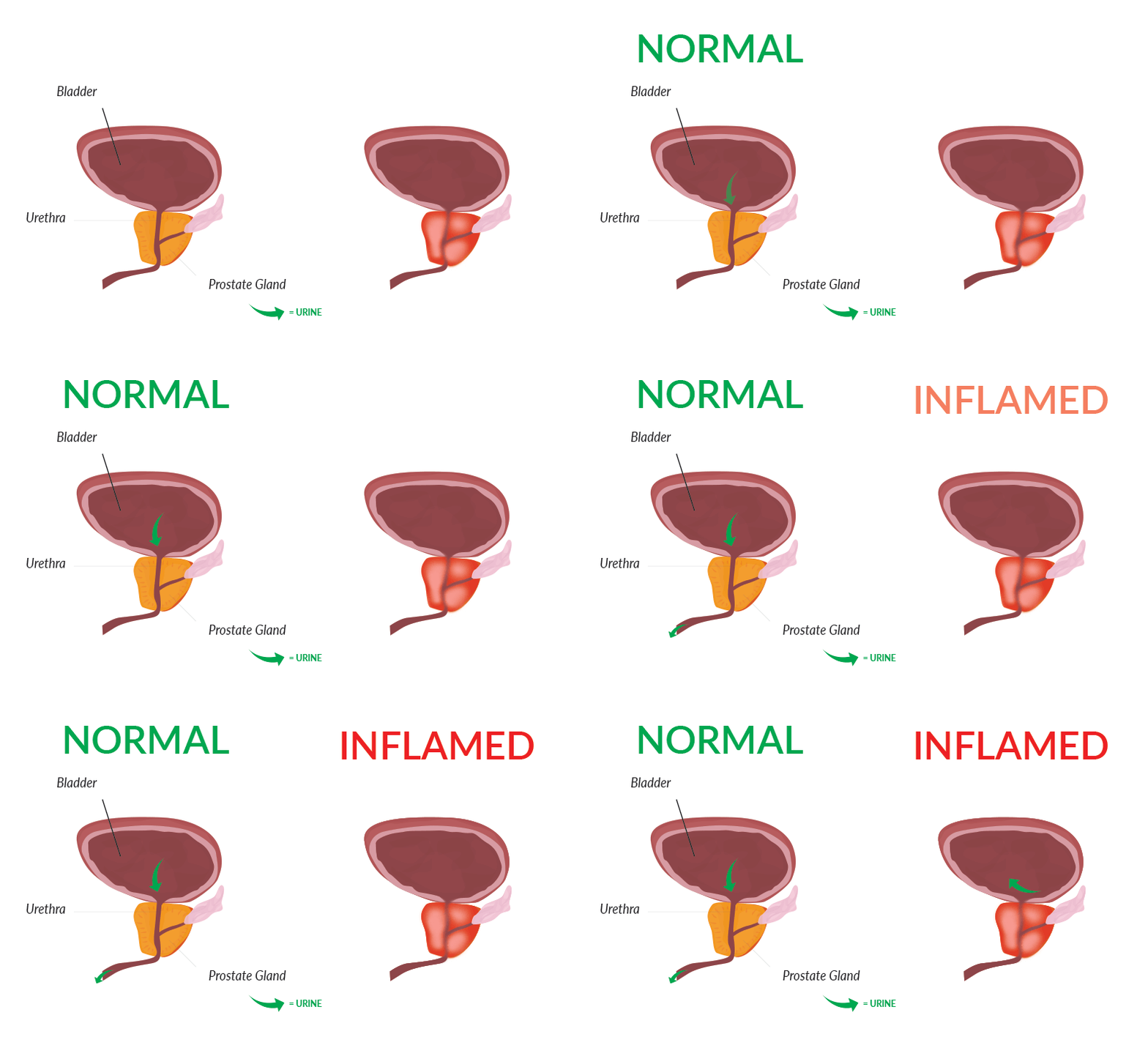
As with all parts of the body, things can go wrong with the prostate.
Generally speaking, there are three common problems that can occur in the prostate. To give you an understanding of the basics, we’ve provided an overview below.
Benign Prostatic Hypertrophy (BPH)
This is a condition that is characterized by the enlargement and often inflammation of the gland. The term benign refers to the fact that the condition is neither malignant nor cancerous. Most men over the age of 50 begin to experience some degree of BPH. It should not be neglected because it is a progressive disease that can develop into prostatitis or even prostate cancer. Additionally, if the enlargement causes a man to press in order to push the urine out past the enlarged prostate, that causes backward pressure on the kidneys, which are sensitive and can be damaged.
Prostatitis
This is a term that is used to describe a range of inflammatory prostate disorders that have also become infected. According to the Professional Guide to Diseases, approximately 35% of men that are over 50 years of age suffer from chronic prostatitis, which is often a very painful condition. Typically men have described some of the pain as trying to pee razorblades. Others complain of constant aching in their groin. It has also been estimated that upwards of 50% of men will be diagnosed with it during the course of their lives, causing prostatitis to be one of the greatest prostate issues for a male.
Prostate Cancer
Prostate cancer is the development of a tumour or malignant growth that has been caused due to the abnormal or uncontrolled cell division within the tissue of the gland. This is by far the most significant of the problems that can affect the prostate. Prostate cancer is the second most common cancer among American men and tends to develop in those older than 65 years of age. Prostate cancer is treated by conventional medicine in many different invasive ways, including hormone ablation, radiation, surgery, laser, freezing. All these procedures have two things in common. They destroy the prostate and reduce the quality-of-life. Non-invasive treatments are generally not licensed for use in the United States and not covered by medical insurance. So it generally necessitates a visit to a European clinic and Ben Ong has relationships with several such clinics.
If you are concerned about your current prostate health and would like personal and detailed advice from one of our consultants, please click here.
Comments
0 comments
Article is closed for comments.